Hardware & Materials Lab

Backcountry Gear Selection Matrix

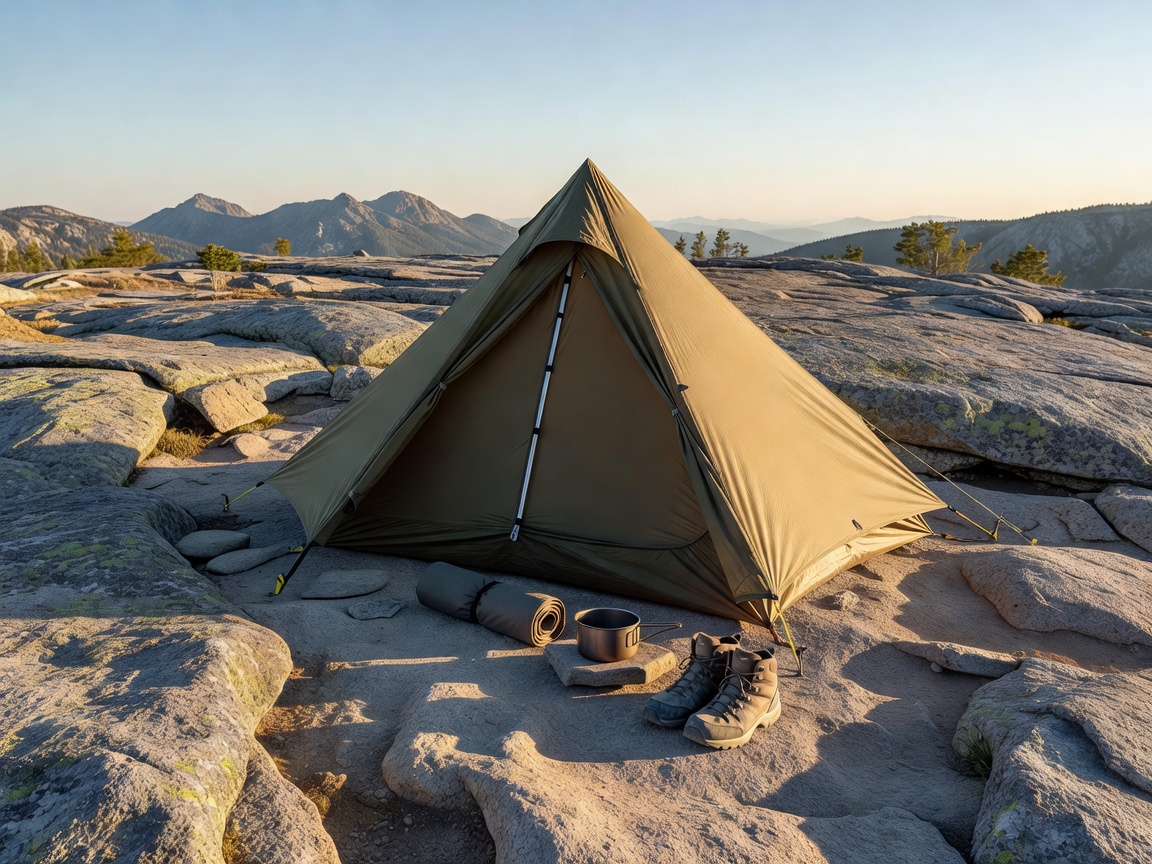
Shelter Systems Backpacking pyramid tent pitched on granite plateau

Dyneema Composite (DCF) Tents

Weight: 485g – 620g
Zero water absorption and superior tensile strength in high wind shearing. High cost point, requires dedicated titanium ground stakes.

Durability: 4.8 / 5 Packability: Ultra
Explore High Altitude Tarping →
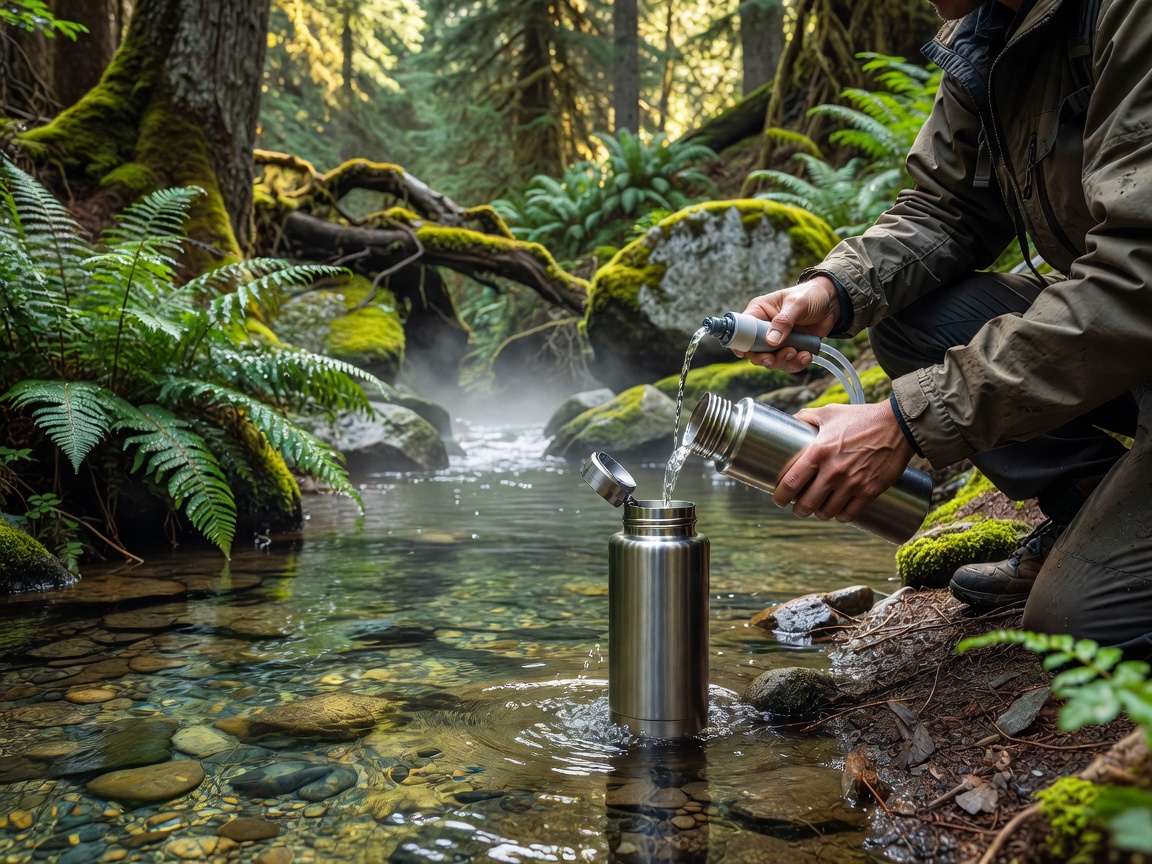
Biosecurity Clear pristine stream water being filtered into wilderness flask

Electro-Adsorptive Purifiers

Removal: 99.99% Viruses, Cysts & Bacteria
Essential for remote international expedition waters where protozoa and viral pathogens coexist. Requires periodic flow-rate diagnostics.

Flow: 1.5 L/min Lifespan: 300 Cycles
Water Stewardship Guide →
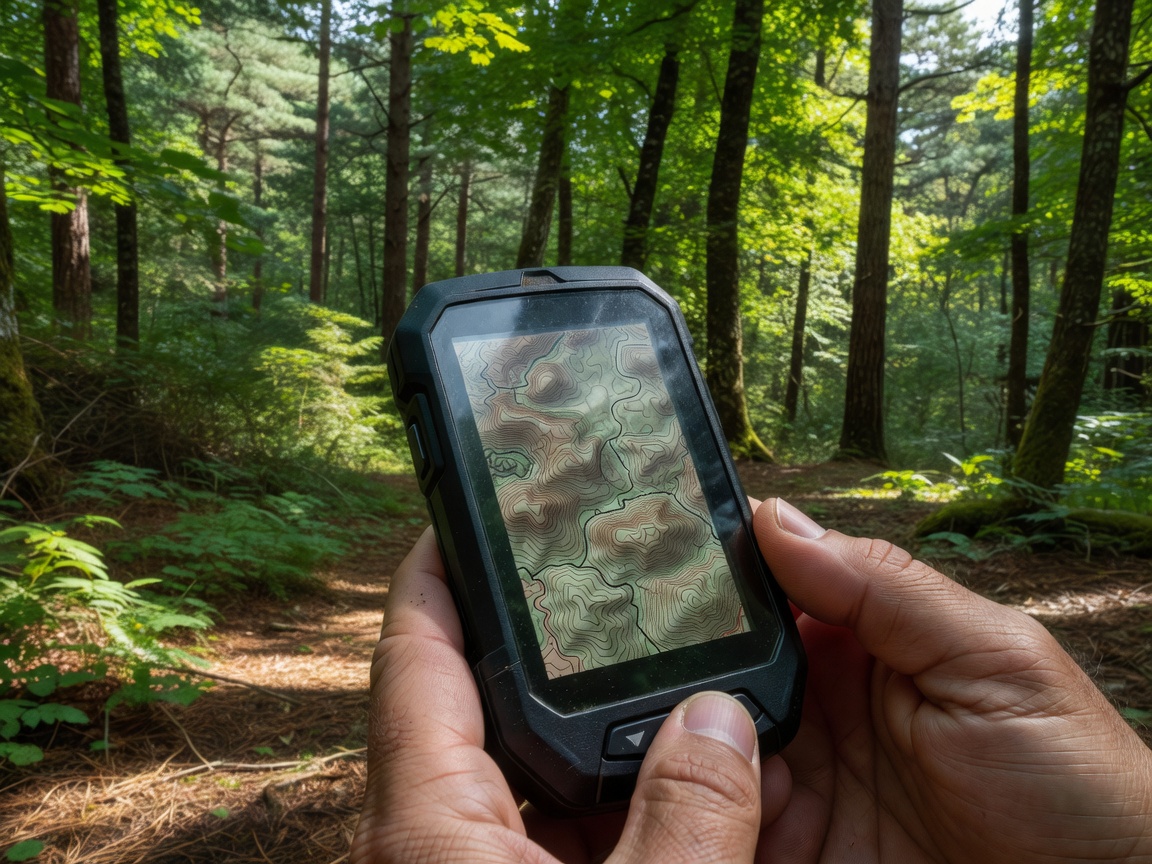
Comms & Nav Handheld GPS navigation device displaying contour map in woods

Iridium Satellite Messengers

Global Reach: 100% Pole-to-Pole Coverage
Features two-way interactive SOS messaging, automated waypoint breadcrumb tracking, and barometric storm alerts.

Battery: 14 Days Weight: 100g
Marine SOS Protocols →

The 3-Tier Layering Architecture for Alpine Environments

Wilderness hypothermia occurs most frequently between 0°C and 10°C in wet, windy conditions rather than extreme sub-zero weather. A disciplined moisture-management system is paramount:

  1. Base Layer (Hydrophobic Moisture Transport): Merino wool (150-200 g/m²) or engineered polypropylene. Never wear cotton or untreated cellulose fibers against skin.
  2. Mid-Layer (Thermal Insulation): High-loft synthetic fleece (e.g., Polartec Alpha) or 850+ fill power hydrophobic down with DWR treatment.
  3. Hardshell (Atmospheric Barrier): 3-Layer ePTFE or air-permeable polyurethane membranes rated at a minimum of 20,000mm hydrostatic head.

Technical Verification

For independent textile strength charts and certified cold-room testing benchmarks, refer to the International Climbing and Mountaineering Federation (UIAA) official equipment standard directory.