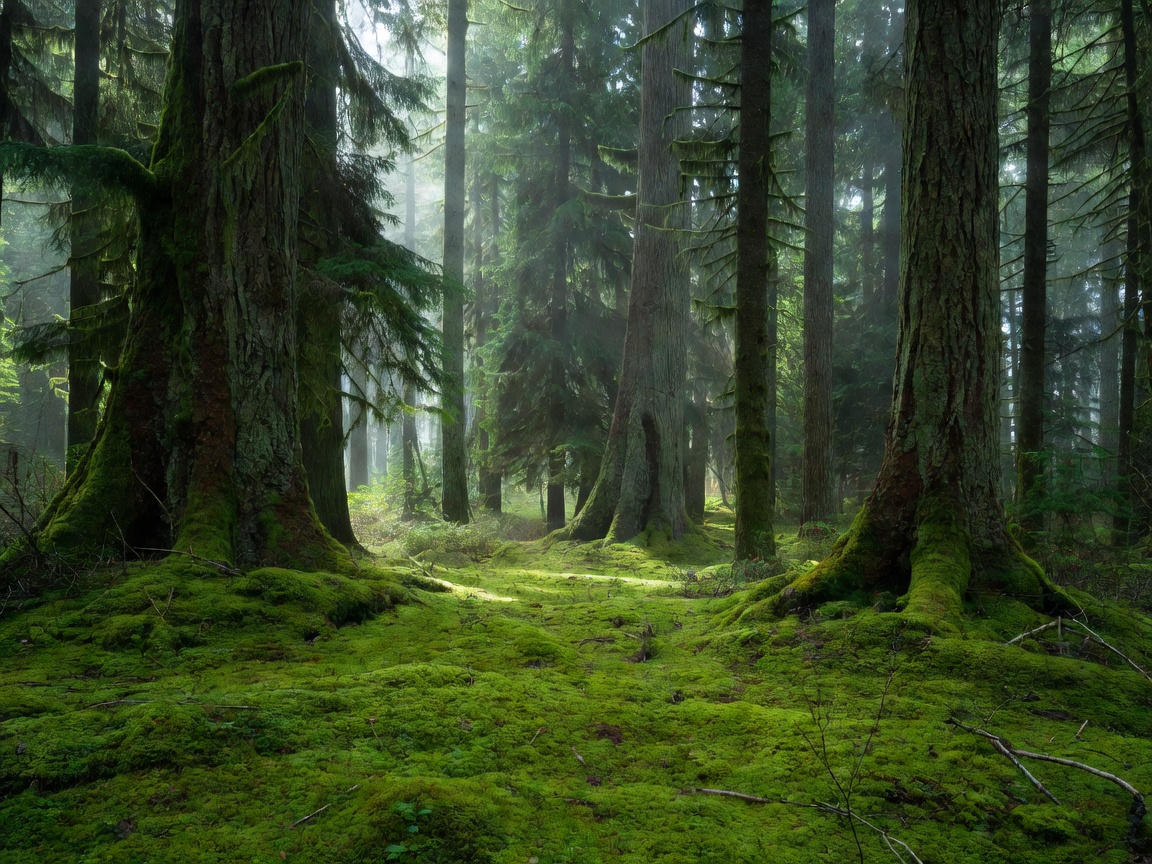
1. The Fragility of Cryptobiotic Crusts and Alpine Tundra
In high-desert and alpine environments, the top millimeter of soil is alive with cyanobacteria, lichens, and mosses that can take over 250 years to develop. A single boot step off designated trails can shatter this protective living matrix, accelerating irreversible wind and water erosion.
"True wilderness stewardship isn't just carrying out your plastic wrapper; it is actively protecting the micro-biological integrity of the ecosystems you traverse."
2. Rigorous Human Waste Management
In high-use alpine corridors or sub-zero environments, microbiological decomposition ceases entirely. Pathogens such as Giardia lamblia and E. coli survive in frozen snowpacks for months, contaminating downstream municipal watersheds during springtime melts.
- Cat-hole Standards: When permitted, dig cat-holes 15 to 20 cm (6 to 8 inches) deep, located at least 70 meters (200 feet) from all lakes, natural streams, and established trails.
- WAG Bags (Waste Alleviation Gels): In glaciated zones, narrow canyons, and high-altitude peaks above the tree line, all human solid waste MUST be packed out completely using dedicated sanitary seal bags containing gelling polymers.
- Micro-Trash Disposal: Corner tear-offs from energy bars, fruit peels (which can take up to 2 years to decompose in arid conditions), and dental floss must be stored in odor-proof barrier sacks.
3. Campfire Ethics in Arid & Alpine Ecosystems
Fires consume fallen deadwood that provides crucial nesting habitats and organic nutrient cycling for small mammals and microorganisms. In all sensitive ecological zones, transition exclusively to canister or multi-fuel liquid backpacking stoves for meal preparation.
Official Conservation Guidelines
Read the official Seven Principles directly at the Leave No Trace Center for Outdoor Ethics Official Website and support conservation programs through The National Trust.